Logistics Planning Software: The Complete Guide to Streamlining Your Operations in 2026
A comprehensive guide on why you should be using software for load planning.

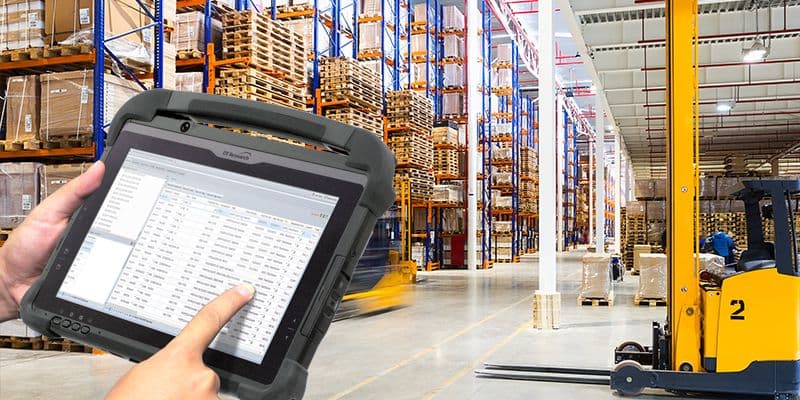
If you've ever watched a crew struggle to fit equipment into a truck at 2 AM, or discovered mid-tour that half your gear won't fit in the trailer, you understand why logistics planning software has become essential for modern operations. The difference between a smooth loadout and a costly disaster often comes down to one thing: having the right planning tools before you hit the road.
What Is Logistics Planning Software?
Logistics planning software helps businesses and operations teams optimize how they move, pack, and manage physical goods. Whether you're coordinating tour logistics, managing warehouse operations, or planning freight shipments, these tools replace guesswork with data-driven decisions.
At its core, logistics planning software answers critical questions: What fits where? How should items be arranged? What's the most efficient way to utilize available space? And increasingly, these platforms are moving beyond simple planning to offer 3D visualization, automated packing algorithms, and real-time collaboration features.
Why Traditional Methods Fall Short
Many teams still rely on spreadsheets, hand-drawn diagrams, or (let's be honest) pure experience and intuition. While veteran logistics managers develop an impressive mental catalog of what fits where, these traditional approaches have significant limitations:
The spreadsheet problem: Excel can track inventory, but it can't show you whether your gear will actually fit in three dimensions. You might have every item listed with perfect dimensions, but that doesn't prevent the scenario where you've planned for 500 cubic feet of equipment in a 450 cubic foot space.
The experience gap: When your best packer calls in sick or leaves the company, their knowledge walks out the door with them. There's no documentation, no training manual, just institutional knowledge that disappears.
The scaling challenge: Manual planning methods that work for small operations break down as you grow. What happens when you go from one truck to five? From one warehouse to multiple locations? The complexity multiplies faster than most teams can manage.
The cost of errors: A poorly planned pack doesn't just waste time, it costs real money. Rush shipping to get forgotten items to the next city. Damaged equipment from improper loading. Rental fees for additional trucks you didn't budget for. These costs add up fast.
Key Features to Look For
Not all logistics planning software is created equal. Here's what separates the truly useful platforms from glorified inventory trackers:
3D Visualization Capabilities
The ability to see your pack layout in three dimensions changes everything. When you can rotate, zoom, and inspect how items will actually fit together, you catch problems before they become expensive mistakes. Look for software that renders realistic previews of your load, not just abstract boxes on a grid.
Automated Packing Algorithms
Modern logistics software should do more than let you manually arrange items: it should suggest optimal configurations. AutoPack features analyze your inventory dimensions, and available space to generate multiple packing options. This saves hours of trial and error while often finding configurations human planners would miss.
Import and Export Flexibility
Your logistics planning software needs to play well with your existing systems. CSV import for inventory data is table stakes. The ability to export load plans as PDFs, shareable links, or integration with other platforms means your crew can access plans regardless of their tech setup.
Weight Distribution Analysis
Knowing what fits is only half the battle…you need to ensure loads are balanced and within weight limits. Quality software visualizes weight distribution to prevent dangerous or illegal loading configurations.
Collaboration Features
Logistics planning isn't a solo activity. Your software should enable multiple team members to view, comment on, and modify plans. When your production manager in one city can review the pack plan created by your warehouse team in another, everyone stays aligned.
Mobile Access
Load plans created on desktop computers aren't much help when your crew is standing in a parking lot with a truck that needs packing. Mobile-friendly interfaces or dedicated apps ensure your team has access to plans wherever work happens.
Industries That Benefit Most
While logistics planning software has applications across many sectors, certain industries see particularly dramatic improvements:
Live Event Production and Touring
Tour managers and production companies deal with constant variables—different venues, varying truck sizes, equipment that changes show to show. Production teams need to pack efficiently while ensuring quick access to gear for daily setup and teardown. A single miscalculation can mean renting an additional truck or leaving critical equipment behind.
Warehouse and Distribution
Distribution centers handling diverse product lines benefit from optimized container loading and warehouse space utilization. When you're shipping hundreds or thousands of orders daily, even small improvements in packing efficiency translate to significant cost savings.
Moving and Relocation Services
Professional movers work on tight timelines with customers who don't appreciate "we need a second truck" surprises. Accurate planning helps provide reliable quotes and prevents the awkward conversation about additional fees.
Freight and Shipping
LTL (less than truckload) carriers and freight brokers need to maximize trailer utilization while keeping loads organized for efficient delivery. The difference between 85% and 95% space utilization can make or break profitability.
Film and Television Production
Production companies moving camera equipment, lighting, sets, and props face similar challenges to touring operations, complex inventory that needs to move frequently and efficiently between locations.
The Real-World Impact of Better Planning
The benefits of logistics planning software extend beyond theoretical efficiency gains. Here's what actually happens when teams implement proper planning tools:
Reduced transportation costs: When you consistently optimize space utilization, you need fewer vehicles. For touring operations, this might mean the difference between a box truck and a semi. For shipping operations, it's the difference between booking three containers versus four.
Fewer damaged items: Proper planning includes consideration of how items stack, what can bear weight, and how to protect fragile equipment. When loads are planned rather than improvised, damage rates drop significantly.
Faster load times: Crews working from a clear plan work faster and more confidently than teams figuring it out on the fly. What used to take three hours might now take ninety minutes.
Better crew morale: There's nothing more frustrating than repacking a truck multiple times because nobody had a plan. When crews can execute a well-designed load plan, work becomes less stressful and more efficient.
Improved client communication: Being able to show clients exactly how their items will be packed builds confidence. Whether you're a moving company providing a detailed plan or a production company showing a tour manager the trailer layout, visualization tools improve trust.
Easier training: New employees can reference detailed load plans rather than relying entirely on experienced team members. This accelerates onboarding and reduces the knowledge gap between veterans and newcomers.
Choosing the Right Solution for Your Needs
The logistics planning software market includes everything from enterprise-level platforms costing thousands per month to specialized tools designed for specific industries. Here's how to evaluate options:
Start with your actual problem: Don't get distracted by features you'll never use. If you're packing touring equipment, you probably don't need global supply chain optimization modules. Focus on tools that solve your specific challenges.
Consider ease of use: The most powerful software is worthless if your team won't use it. Look for intuitive interfaces that don't require extensive training. If you can't figure out the basics in 15 minutes, it's probably too complex.
Evaluate the data input process: How easy is it to get your inventory into the system? If you need to manually measure and input hundreds of items individually, that's a significant time investment. Look for platforms that simplify inventory creation, whether through templates, import tools, or equipment databases.
Check integration capabilities: Will this software work with your existing systems? If you're already using inventory management software, warehouse management systems, or other tools, integration potential matters.
Assess the export options: How will your team actually use the plans? If your crew needs mobile access, PDF exports aren't enough. If you're sharing plans with clients, you need shareable links or viewer-friendly formats.
Review the pricing model: Understand exactly what you're paying for. Some platforms charge per user, others per pack, some offer unlimited use for a flat fee. Factor in whether you need features that require higher-tier plans.
Test with real scenarios: Most quality providers offer free trials. Don't just play around, test the software with your actual inventory and real packing challenges. This reveals limitations before you commit.
Implementation Best Practices
Buying logistics planning software is the easy part. Getting your team to actually use it effectively requires some planning:
Build your inventory database thoughtfully: Take time to accurately measure and categorize items. Small errors multiply across packs. Consider creating categories (road cases, speakers, lighting, etc.) to make future planning faster.
Start with a small pilot: Rather than trying to plan every operation immediately, start with one truck or one route. Work out the kinks with lower stakes before rolling out broadly.
Document your processes: Create simple guides for your team: how to access plans, how to report issues, how to modify packs when situations change. Don't assume knowledge will spread organically.
Gather feedback actively: Your crew members who actually execute the plans have valuable insights. Create channels for them to report when plans don't work in practice and why.
Iterate on your approach: Your first packs won't be perfect. Use each experience to improve your planning process, refine your inventory data, and develop better packing strategies.
Common Mistakes to Avoid
Teams implementing logistics planning software often stumble over predictable obstacles:
Garbage in, garbage out: If your inventory measurements are wrong, your plans will be wrong. Don't rush the data entry phase.
Ignoring real-world constraints: Software might suggest a mathematically optimal pack that's practically impossible. A human still needs to consider access, unload order, and real-world logistics.
Over-planning: Sometimes the perfect plan is the enemy of the good-enough plan. Don't spend three hours optimizing a pack that will take 45 minutes to execute.
Failing to update plans: When circumstances change mid-operation, update your plans accordingly. Otherwise, you lose trust in the system and people stop using it.
Relying solely on automation: AutoPack features are powerful, but they work best as a starting point. Human expertise still matters for final optimization.
The Future of Logistics Planning
The logistics planning software space continues to evolve rapidly. Several trends are shaping the next generation of tools:
AI-powered optimization: Machine learning algorithms are getting better at understanding not just spatial optimization but practical constraints—which items need to be accessible first, how to protect fragile equipment, optimal weight distribution for specific vehicle types.
Augmented reality integration: Imagine pointing your phone at an empty truck and seeing exactly where each item should go, overlaid in real-time. AR-assisted packing is moving from concept to reality.
IoT sensor integration: Smart sensors can verify that items are actually loaded where the plan says they should be, catching discrepancies before vehicles leave the dock.
Predictive analytics: Systems that learn from your historical data to predict future needs, suggest inventory adjustments, and identify patterns you might miss.
Deeper collaboration tools: Moving beyond simple sharing to real-time collaborative planning with version control, change tracking, and role-based permissions.
Is Logistics Planning Software Worth It?
For any operation that regularly packs and moves physical goods, the ROI calculation is straightforward. Consider how much you currently spend on:
- Wasted transportation capacity
- Damaged goods from poor packing
- Labor hours spent on inefficient loading processes
- Rush shipping to fix planning mistakes
- Excess vehicle rentals
Even modest improvements in these areas typically pay for software subscriptions within the first few months. For touring operations, a single avoided truck rental often covers a year of software costs. For shipping operations, improved container utilization can generate savings that dwarf subscription fees.
The less tangible benefits, reduced stress, better crew morale, professional appearance to clients, easier training, add additional value that's harder to quantify but very real.
Getting Started
If you're convinced that logistics planning software makes sense for your operation, here's a practical path forward:
- Audit your current process: Document how you currently plan loads, where the pain points are, and what specific problems you're trying to solve.
- Define success metrics: How will you know if new software is working? Fewer trucks needed? Faster load times? Reduced damage? Be specific.
- Research options: Look for solutions designed for your industry. Generalized logistics platforms might have features you don't need while missing capabilities that matter to your specific use case.
- Test thoroughly: Most providers offer free trials. Use them. Pack real loads, involve your actual team, and evaluate whether the software solves your actual problems.
- Plan the rollout: Think about training, data migration, and how you'll transition from old methods to new tools without disrupting operations.
- Commit fully: Half-hearted adoption is worse than not adopting at all. If you're going to implement logistics planning software, make sure your team understands it's the new standard operating procedure.
Specialized Solutions: When Industry-Specific Tools Make Sense
While general-purpose logistics planning software serves many needs, certain industries benefit from purpose-built solutions. The touring and live event production industry, for example, has unique requirements that generic platforms struggle to address.
Tour packs need to balance efficiency with accessibility: your most frequently used items should be easy to reach, not buried at the front of a trailer. Equipment configurations change show to show, requiring flexible planning tools that can quickly adapt. Weight distribution matters not just for legal limits but for road handling during long drives between cities.
This is where specialized tools like TruckPacker come in. Built specifically for production teams, tour managers, and AVL professionals, it addresses the unique challenges of touring logistics: 3D visualization that shows exactly how road cases will stack, AutoPack algorithms that understand production equipment constraints, and export options designed for crews who need quick reference on show sites.
The difference between using general logistics software and an industry-specific tool is like the difference between a Swiss Army knife and a specialized tool—both can technically do the job, but one is purpose-built for exactly what you need.
Conclusion: Planning Beats Improvisation
The logistics industry has traditionally valued experience and intuition—the veteran who can eyeball a load and know what will fit. That expertise remains valuable, but it's exponentially more powerful when combined with planning software that captures, scales, and shares that knowledge.
Whether you're managing tour logistics, warehouse operations, freight shipping, or any operation that involves moving physical goods efficiently, logistics planning software transforms how you work. The question isn't whether these tools provide value, it's which solution best fits your specific needs.
The cost of poor logistics planning - wasted transportation, damaged goods, stressed crews, disappointed clients - far exceeds the investment in proper planning tools. In an industry where margins are often tight and efficiency directly impacts profitability, logistics planning software isn't a luxury. It's an essential tool for any operation that takes its logistics seriously.
For production teams and touring professionals specifically looking to eliminate packing guesswork and optimize every loadout, TruckPacker offers a 7-day free trial with no credit card required. Because the best way to understand the impact of proper logistics planning is to experience it yourself.
Ready to stop guessing and start planning? Discover how the right logistics planning software can transform your operations.
Stop reading, start packing: log in to Truck Packer and lay out your trailer.

