20,000 Drivers Gone: What the FMCSA Crackdown Means for Your Tour Trucking
FMCSA enforcement is pulling tens of thousands of commercial drivers off the road heading into peak touring season. What the non-domiciled CDL rule and English-proficiency crackdown mean for booking trucks, and why packing density is now real budget.

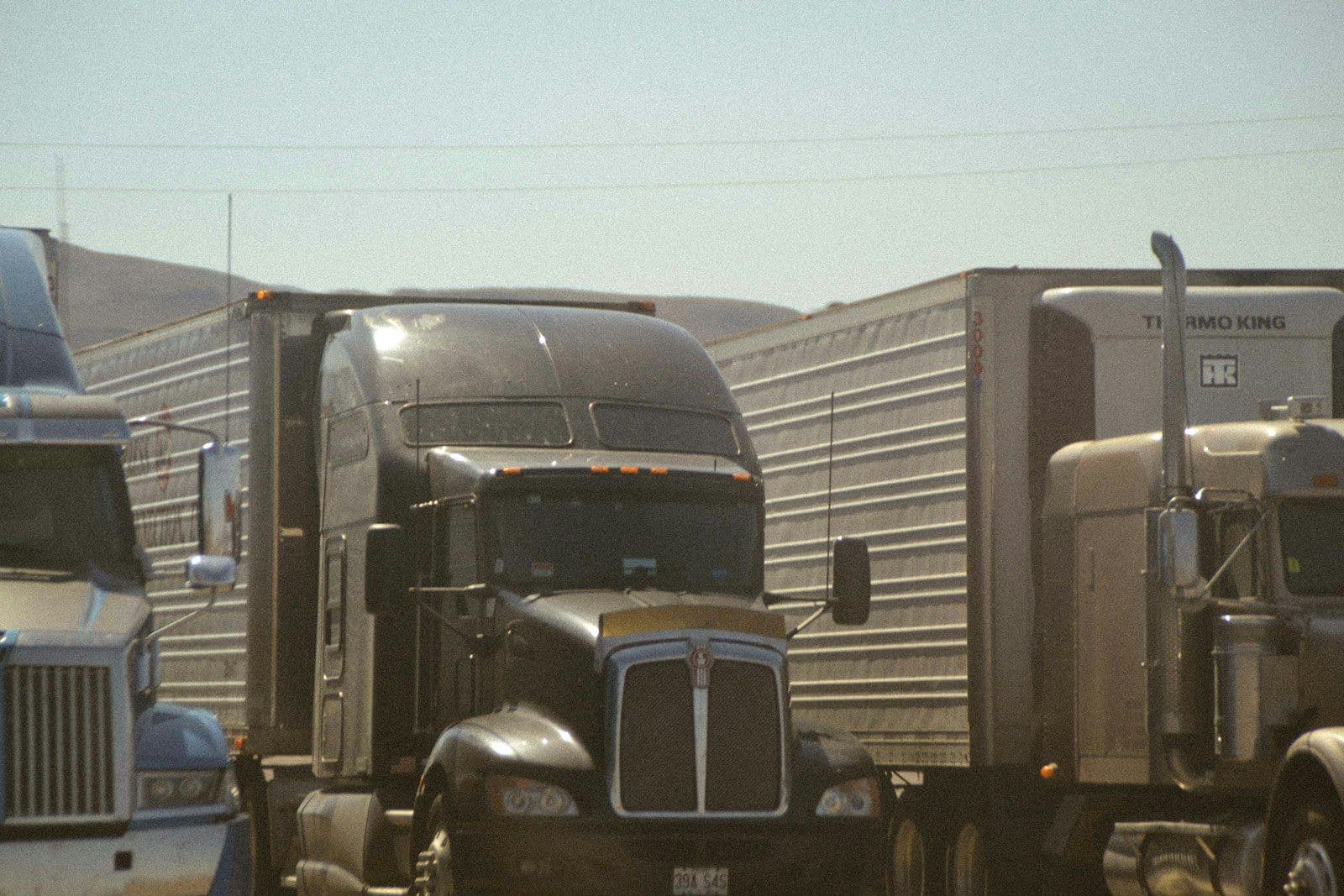
If you book trucks for tours, the math on driver supply just changed, and it changed fast. A wave of FMCSA enforcement through late 2025 and into 2026 is pulling tens of thousands of commercial drivers off the road. For anyone routing a summer run, that is not a policy abstraction. It is fewer rigs available, booked further out, at the exact moment festival and shed season peaks.
Here is what happened, and what to actually do about it.
What the crackdown is
Two separate efforts are tightening capacity at the same time.
The first is English-language enforcement. In 2025, the FMCSA reinstated a rule that a driver who cannot meet the longstanding English-proficiency standard gets placed out of service on the spot. By the end of 2025, roughly 10,000 drivers had been removed under it, and Transportation Secretary Sean Duffy has estimated the total could reach 20,000 since the push began the prior June.
The second, and bigger, is the non-domiciled CDL rule. The FMCSA final rule took effect March 16, 2026, and sharply narrows who can hold a non-domiciled CDL, limiting eligibility to a few employment-based visa categories. The agency estimates that 97 percent of the roughly 200,000 non-domiciled CDL holders on the road today will not requalify under the new requirements. FreightWaves reported the early phase alone had already put 13,000 drivers out.
You do not need to land on a precise headcount to see the direction. Carriers are losing drivers faster than they can replace them, and analysts tracking the supply impact expect the squeeze to build through the season rather than ease.
Why touring feels it first
General freight can flex. A shipper can usually wait a day for a truck, or split a load across two smaller carriers, or move pickup to Tuesday. A tour cannot. Your load-out time is fixed by the building, your next date is fixed by the promoter, and your call time is fixed by the crew. When capacity tightens, the loads with zero schedule flexibility get squeezed hardest, and that is exactly what touring is.
It also hits the specialty end harder. Pulling a 53-footer of production gear overnight to the next market is not the same job as dry van freight, and the pool of drivers who do it well is smaller to begin with. Thin that pool and the good ones get booked earlier and cost more.
What to actually do
A few practical moves while this works through the system:
- Book trucking earlier than you used to. If you normally locked carriers a few weeks out, move it up. The rigs and drivers you want will be committed sooner this year.
- Lock your trusted carriers first. Relationships matter more in a tight market. The carrier who knows your show, your gear, and your load-out is worth holding onto, even at a small premium.
- Build slack into the routing. Tight back-to-back load-ins assume trucks and drivers are always there. In a thin market, one missed truck cascades. Where the run allows, leave a little air.
- Get more onto fewer trucks. This is the lever you fully control. If drivers are scarce and expensive, the cheapest truck is the one you do not have to book.
Fewer rigs makes packing density real money
That last point is where load planning stops being a nice-to-have. When trucks were cheap and plentiful, an extra trailer was a rounding error. When every rig is harder to get and costs more, shaving one truck off the run is real budget, and it is one less driver you have to source in a market that is short on them.
This is the whole reason Truck Packer exists. Planning the load in 3D before gear hits the dock, instead of solving it live on the ramp at 1 a.m., is how you find out you can fit the run in four trucks instead of five. In a normal year that saves money. In a year where the fifth truck might not even be available, it saves the schedule.
The driver shortage is not something you can fix from the production office. How many trucks you need to book is. Tighten the load, and you shrink the part of the problem that is actually yours to solve.
Ready to build your load plan? Log in to Truck Packer and pack it.

