Cab-Less Trucks Are Coming, and They Turn the Whole Vehicle Into Cargo Space
The SELF DRIVE Act of 2026 would let cargo-only trucks ditch the cab entirely, reclaiming length and weight for freight. Here is why that lands squarely on the load planner's desk.

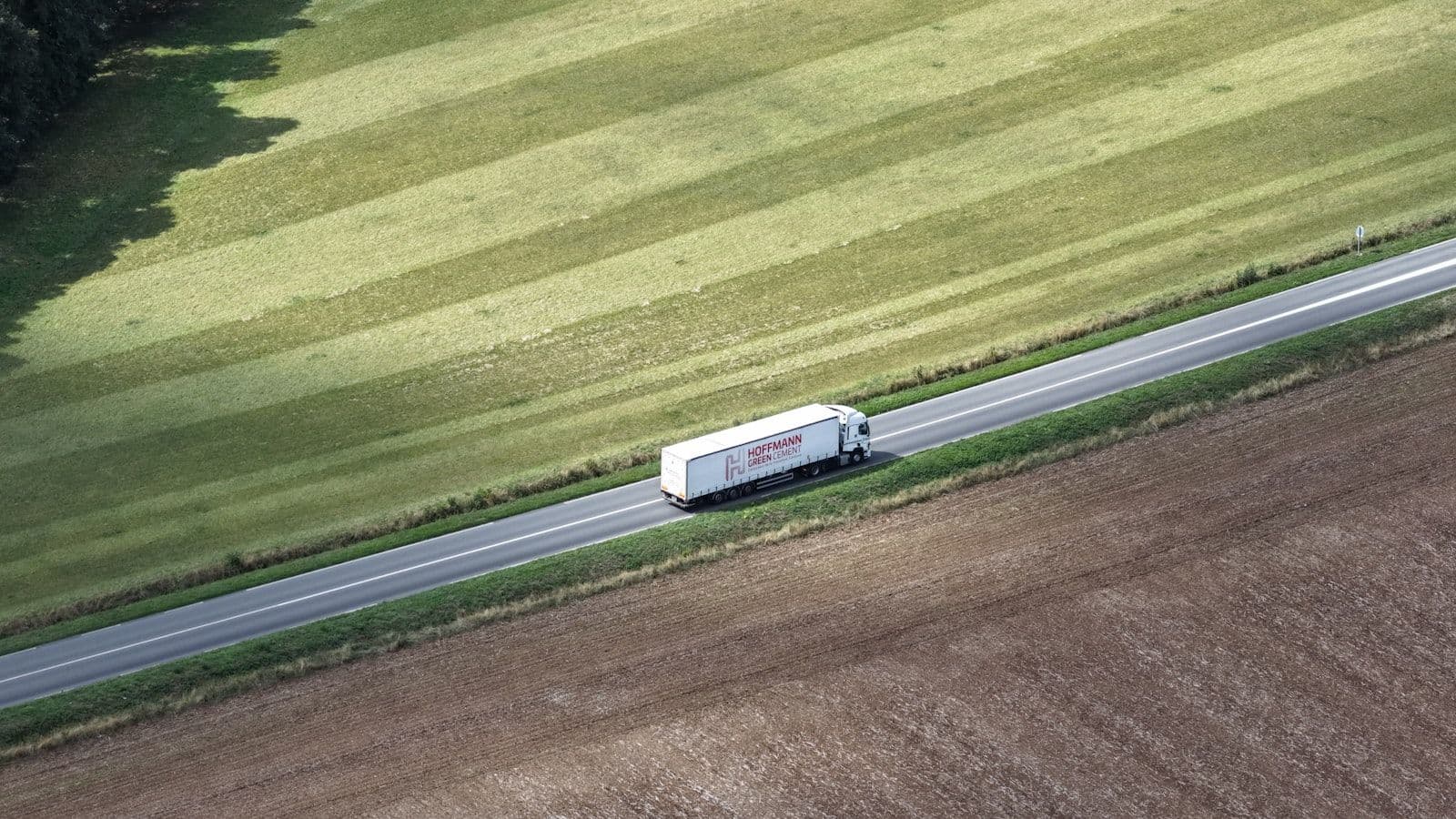
For as long as there have been trucks, the load plan has started with a compromise you never questioned: the front eight to ten feet of the vehicle belongs to a person, not your freight. A bill in Congress is about to make that compromise optional, and once it does, the shape of the box you pack changes.
What the SELF DRIVE Act actually does
In February, Representatives Bob Latta and Debbie Dingell introduced the SELF DRIVE Act of 2026, the first federal bill written specifically to regulate autonomous trucks rather than just passenger cars. Buried in the text is the provision that matters most to anyone who plans loads. It says a federal motor vehicle safety standard cannot force the maker of a vehicle "configured solely to carry property and not one or more occupants" to install the manually operated controls and equipment meant to support a human driver.
Read that again in plain terms. If a truck only hauls cargo and carries no people, it no longer has to be built with a steering wheel, pedals, seats, mirrors, or a cab to house them. FreightWaves called the measure a game changer for heavy trucking precisely because it lets manufacturers design "cab-less" trucks optimized for aerodynamics, lower weight, and more cargo capacity instead of human comfort.
The bill also does something the industry has wanted for years. It gives the Secretary of Transportation explicit authority to let manufacturers and fleets run limited commercial operations while under a testing permit, with the Secretary free to set per-jurisdiction caps on how many vehicles participate and how much revenue they earn. In other words, these trucks would be allowed to haul real, paying freight before the technology is fully graduated, not just run empty test miles.
This is not a concept render
The reason to care now instead of in a decade is that the trucks already exist and are already working. Aurora has been running driverless Class 8 trucks commercially in Texas since 2025, and by early 2026 it had tripled its network to ten lanes across the Sun Belt, with a stated goal of putting hundreds of driverless trucks on the road by the end of the year. Those particular rigs still have a traditional cab, because today's law requires one. The SELF DRIVE Act is what removes that requirement.
Einride has already shown what the other side of that door looks like. Its Pod has no cab at all, no space for a driver, and it hauls up to 18 pallets and 16 tonnes in a footprint that would otherwise carry a driver up front. Remove the cab from a standard tractor-trailer and you are not saving a few inches. You are reclaiming the length of an entire seating area, plus the weight of the cab structure, and handing it back to cargo.
Why this lands on the load planner's desk
For touring and production, the cab has always been a fixed cost you packed around. A 53-footer gives you roughly 53 feet of trailer no matter what, but the tractor pulling it is dead weight and dead length as far as your gear is concerned. Cab-less designs blur that line. As manufacturers rethink the vehicle around the freight, the usable envelope stops being a fixed number you inherit and becomes a variable that depends on the truck you booked.
That is a good problem to have, and it is also exactly the kind of change that punishes a load plan built on habit. If the trailer you get next season is six inches longer inside, or a cab-less rig changes the axle and weight math, the old "this is how we've always stacked it" pack leaves money on the table. The productions that win are the ones treating trailer space as something to measure and re-plan, not memorize.
That is the whole idea behind planning a load in Truck Packer before the cases roll. When the vehicle itself is changing under you, a 3D plan you can update in minutes beats a diagram taped inside a case every time. Model the actual truck, drop in your real cases, and see the fit before the dock, not after.
The takeaway
The SELF DRIVE Act is still a bill, not a law, and it may end up folded into a larger highway reauthorization. But the direction is set: the cab is being reframed as optional overhead, and the freight is moving to the front of the design. When that space opens up, it goes to whoever has a load plan ready to use it. Start treating your trailer as a number you measure, because pretty soon it will be one.
Everything above lives in the app. Log in to Truck Packer and start packing.

