Hand-Measuring Cases Is Why You Skip the Load Plan. We're Building the Fix.
In smaller markets the load plan dies at the tape measure: measuring every case by hand costs more time than the plan saves. Here is the real bottleneck, why warehouse-grade dimensioners never reach touring shops, and what Cargo Measure AR is doing about it.

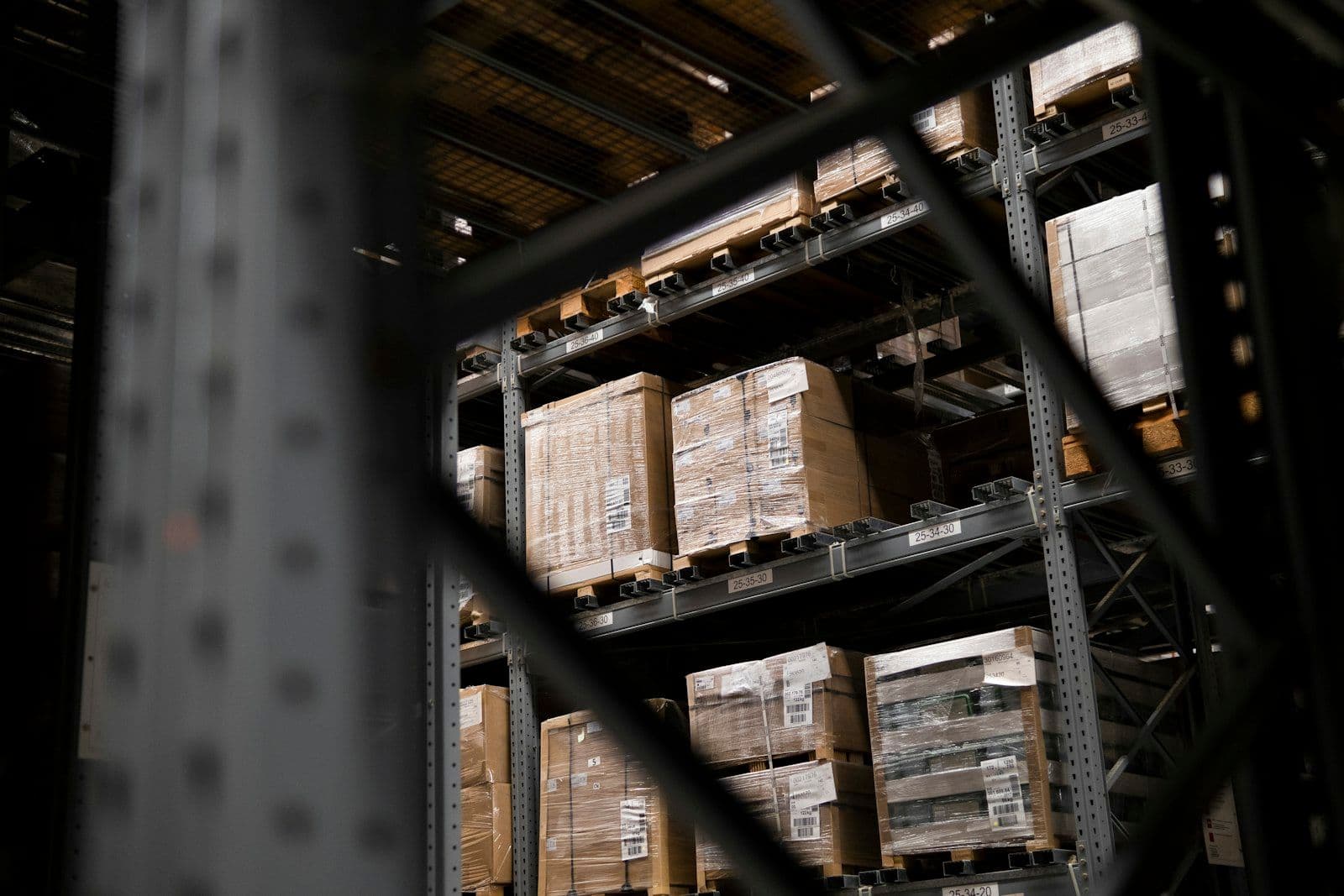
In smaller markets, the load plan dies on the warehouse floor before anyone opens a packing app. Not because the crew does not want one, but because the first step, knowing the real dimensions of every case, costs more time than the plan saves. So the truck gets packed by feel, again, and the pre-plan stays a nice idea for the bigger shops.
We have watched this happen enough times that we decided to build the fix. It is called Cargo Measure AR, and it starts with the problem nobody wants to admit.
The tape measure is the bottleneck
A good load plan needs accurate dimensions for every case going on the truck. That is the whole input. Load planning software makes its decisions off carton sizes, weights, and handling rules, and the optimization is only as good as the numbers you feed it. Feed it guesses and you get a guess back.
The trouble is getting those numbers. Out in a regional warehouse with a tape measure and a clipboard, measuring a single pallet or odd-shaped item runs north of two minutes, and that is before you account for transposition errors and the awkward overhangs that make you re-measure. Hand measuring is both slow and error-prone, and the mistakes are the expensive part: transposition errors and inaccurate measurements are common pitfalls when you measure freight by hand.
Now multiply that by a room full of road cases, amp racks, and risers that nobody has ever logged. A full inventory that should feed a clean load plan turns into an afternoon of crouching with a tape measure. For a touring AVL shop in a smaller market, where the same handful of people are also building the show, that afternoon never happens. The plan loses to the clock every time.
Why the warehouse fix never reaches these shops
The logistics world already solved measurement, just not for this crowd. The standard answer is a static dimensioning station, a fixed scanner you set freight under. It is fast and accurate, and it runs roughly 35,000 to 50,000 dollars per location, plus 1,500 to 2,000 a year in maintenance, with a second site meaning another 30,000.
That math works for a distribution center pushing thousands of pallets a day. It is absurd for a production company with one warehouse and a few trucks. So the dimensioning systems that would make pre-planning trivial sit entirely out of reach, and the smaller shop is left with the tape measure by default. The gap is not interest. It is hardware cost.
What Cargo Measure AR does
The phone in your pocket already has the sensor. The LiDAR scanner on recent iPhones and iPads measures depth directly, and used for dimensioning it hits roughly plus or minus 1 to 3 centimeters on a pallet and about a centimeter on a single case, typically landing within one to two percent of the true distance under normal conditions. That is well inside what a load plan needs, and it works in a dark warehouse and in the cold, which is most of our world.
The speed is the real unlock. Mobile LiDAR dimensions an item in one to two seconds against two-plus minutes with a tape, and one warehouse cut measurement time by about 70 percent after switching. Point the phone, capture the case, and the dimensions land straight in Truck Packer ready to pack. No clipboard, no spreadsheet re-entry, no transposed numbers.
Cargo Measure AR is the front door we have been missing: scan your cases once, build the inventory in minutes instead of an afternoon, and the pre-plan finally pays for itself even when you are not a 20-truck operation.
Where this is headed
This is what we are building right now, so this is a look at the direction, not a ship date. The goal is simple: take the one step that kills the load plan in smaller markets and make it cost seconds. When measuring a case is free, planning the truck stops being a luxury for the big shops and becomes the default for everyone.
If you run a warehouse where the tape measure has been winning, this one is for you. You can see Cargo Measure AR and get on the iPhone TestFlight beta now at truckpacker.com/cargo-measure, and we will share more as it comes together.
Everything above lives in the app. Log in to Truck Packer and start packing.

