Pack the Trailer in Reverse: Why Unload Order Should Drive Your Load Plan
The smartest tour load plan is the unload plan written backward. Why the order gear comes off the truck matters more than how tight it went on, and how sequencing the pack protects the schedule and the crew budget.

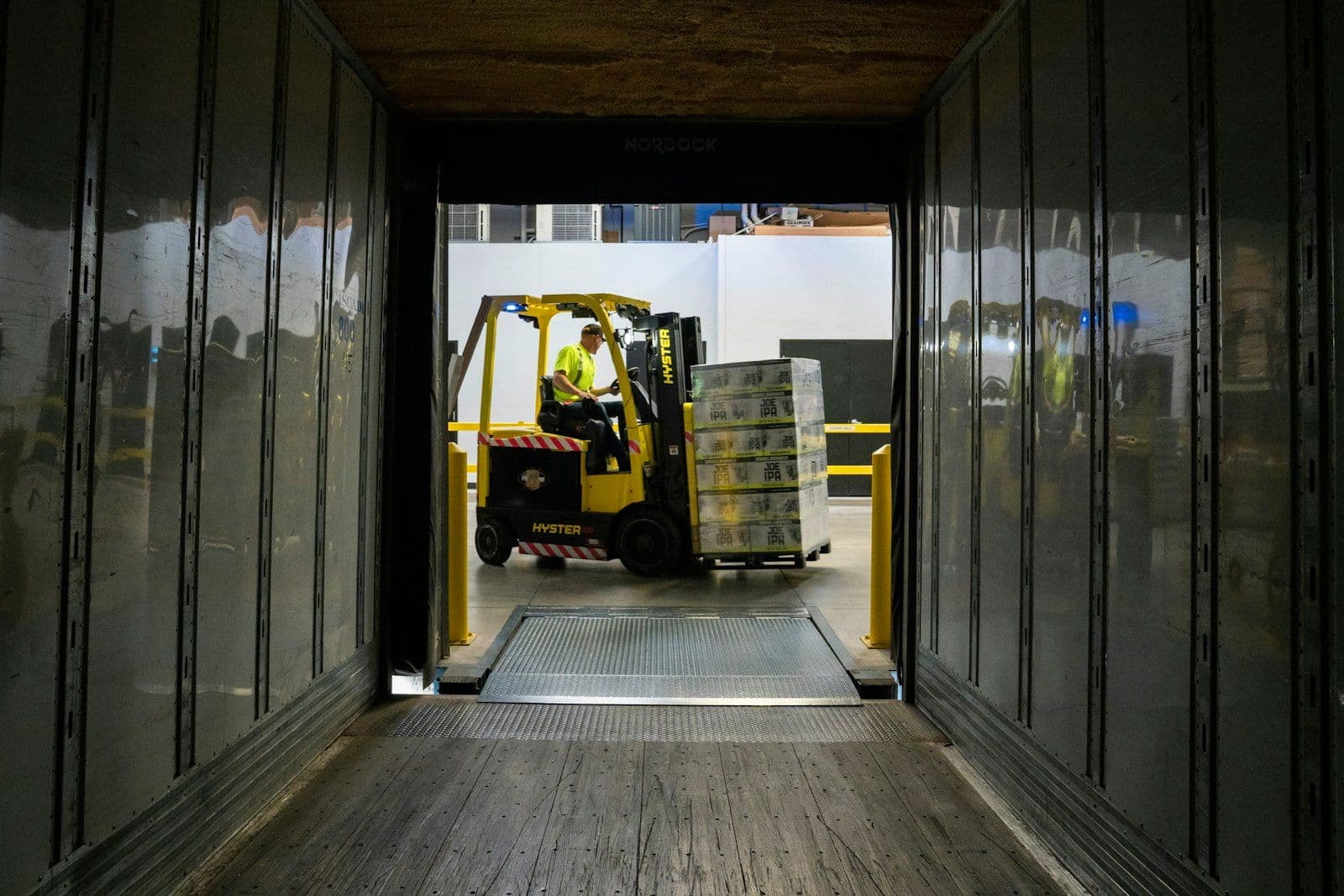
Most load plans get built front to back: open the trailer, fill it tight, close the door. That works right up until 3am at the next venue, when the case you need first is the one buried against the nose. On a tour, the order gear comes off the truck matters more than how tight it went on. The smartest load plan is the unload plan, written in reverse.
Load-out is just load-in, backward
Every experienced crew runs the same mental model: the teardown is the build, played back. The standard guidance is blunt about it. "Think of your load-out plan as the reverse of your load-in," and in the priority window right after a show, "AV teams break down sound and lights" while "artist gear gets packed and out first," per XTIX's step-by-step operations guide.
That sequence is not arbitrary. A festival or arena build goes up in a fixed order: site and stage deck, then the main structure and rigging, then the lighting grid, then video, then audio and backline. The same XTIX timeline lays it out across the build days, structure and rigging first, lighting grid and backline later. Reverse it and you have your load-out: backline and audio come down first, rigging and overhead come down last.
The case that loads last gets used first
Here is where the truck math bites. The last thing packed is the first thing pulled at the next stop. On most tours that last-on case is the overhead rigging and motors, because nothing else can start until the points are in the air and the grid is flying. So the rig that came down last at venue A has to come off first at venue B. Pack it deep in the trailer to "use the space," and your entire load-in stalls while three people dig for it.
This is the first-in, last-out problem turned inside out, and it is why a truck packed purely for density can still be a bad pack. Volume efficiency that ignores unload order trades a few saved inches for a stalled load-in, idle local crew on the clock, and a schedule that slips before the first truss is in the air.
Sequence is a routing decision, not a dock decision
The trap is treating pack order as something the loaders sort out at the dock. By then it is too late. The teams that get this right decide the sequence upstream, as part of routing and advance. Tour logistics providers build exactly this in: integrated warehousing and "timed releases so equipment arrives in sequence as the tour progresses," so the crew opens the trailer to the case they need first, not the one that fit best (Averitt on-tour event logistics).
The same discipline shows up in production advance. Before the trucks roll, logistics teams confirm stage dimensions, power, load-in schedules, and local crew with each venue so there are no surprises on the day (Eventric on concert logistics planning). The pack sequence is part of that advance. If you know the load-in order for the next three rooms, you know how to pack the truck leaving this one.
Where pre-planning pays off
A documented load plan that respects unload order does three things at once. It protects the schedule, because the first case out is the first case needed. It protects the budget, because local crew is the most expensive clock on a load-in and digging for buried cases runs that clock. And it makes the plan repeatable, so the same pack works night after night instead of getting reinvented at every dock.
This is the whole reason Truck Packer treats a pack as a sequence, not just a fill. A plan that knows which case comes off first is worth more than one that only knows the trailer is full. Pack the truck in the order you will empty it, and load-in starts the moment the door opens.
Stop reading, start packing: log in to Truck Packer and lay out your trailer.

