What InfoComm 2026 Means for Your Trucks
InfoComm 2026 in Las Vegas showed off denser line arrays, lighter IP-based video, and AI baked into more boxes. Here is what the new gear means once it leaves the show floor and has to fit in a trailer.

Every June, the pro AV world crowds onto one show floor and shows off what the next few years of touring will sound and look like. InfoComm 2026 wrapped up its run at the Las Vegas Convention Center on June 19, with more than 750 exhibitors moving through a three-day floor. For anyone who loads trucks for a living, a show like this is not abstract. Every flagship system rolled out on a riser this week eventually has to fit through a loading dock and into a 53-footer.
Here is what stood out, and what it means once the gear leaves the booth and hits the road.
The headline rig: L-Acoustics L1
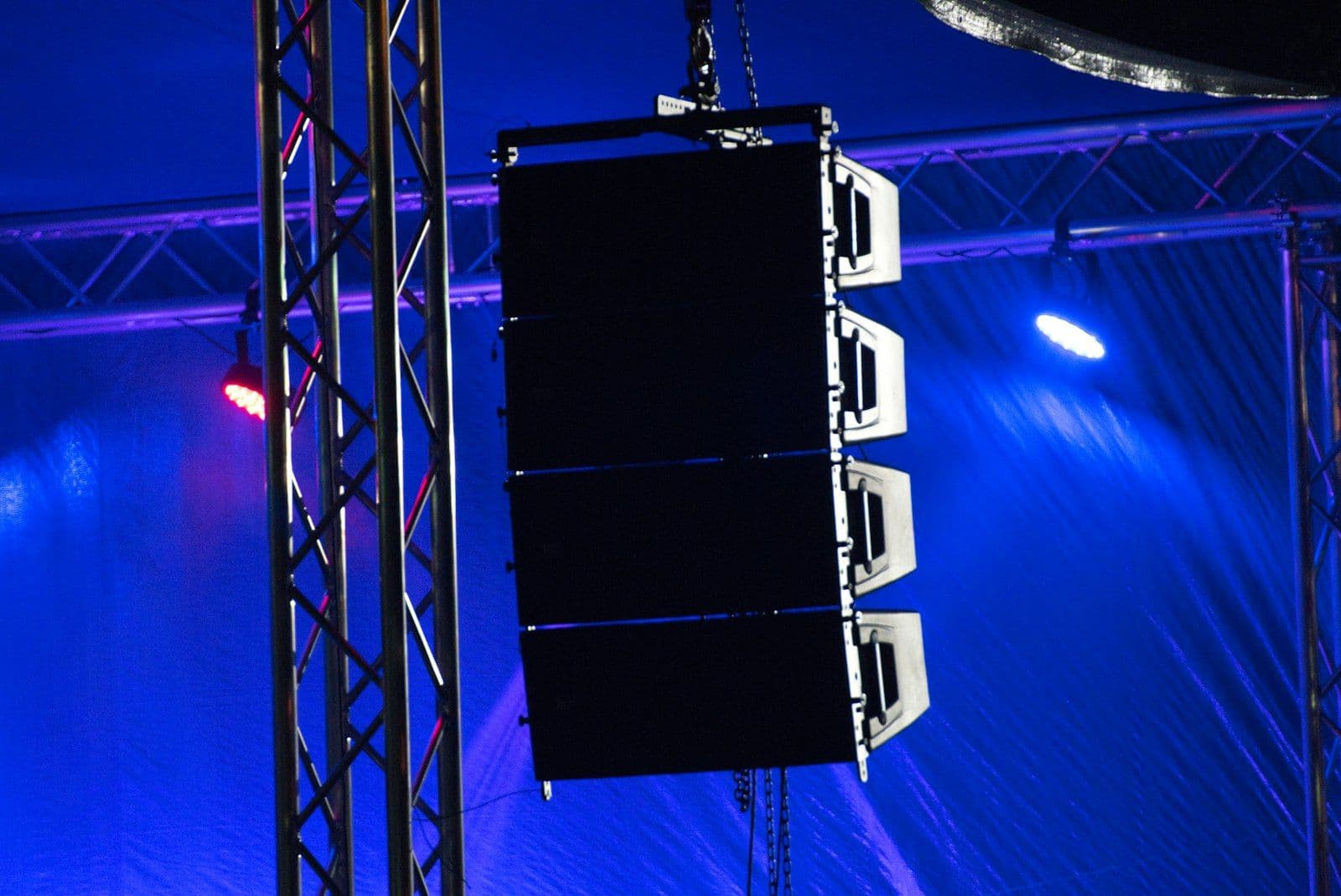
The most talked-about audio launch was the L-Acoustics L1 large-format line array and its companion CS1 cardioid subwoofer. Each L1 enclosure packs two 18-inch transducers, four 15-inch low-frequency drivers, eight 8-inch mid drivers, and six coaxial HF compression drivers into one box, hitting a maximum SPL of 160 dB across a 35 Hz to 20 kHz bandwidth.
That is a lot of transducer in a single cabinet, and it is the kind of spec that changes a load. L-Acoustics is pitching L1 as a system that reduces rigging time, cabling, and overall weight versus traditional large-format arrays. Fewer boxes for the same coverage is a real win for a touring carpenter, but a denser cabinet is also a heavier single point load. Whether a new flagship system actually saves you a truck depends on how it stacks and racks in the trailer, not just on the spec sheet.
IPMX: less cable, cleaner racks
The other big story was networking. InfoComm 2026 marked full interoperability across IPMX-certified devices, meaning a certified device from any manufacturer can now talk to any other certified device, instead of locking integrators into a single vendor's ecosystem.
For live events, IP-based video transport over standard networking is a logistics story as much as a technical one. Moving signal over a network switch instead of dedicated runs of coax and matrix hardware means fewer road cases of cable, fewer custom looms, and lighter video racks. Anything that shrinks the cabling package shrinks the freight footprint, and that adds up fast over a long routing.
AI moves into the hardware
The show's loudest theme was agentic AI, with 46 dedicated sessions on the schedule. Cisco and NVIDIA went furthest, putting AI compute directly inside conference-room hardware with a joint compute module Cisco says delivers up to 25 times the processing of its predecessor. Most of that is aimed at corporate AV and meeting rooms, not the touring market, but the direction of travel is clear: more processing baked into more boxes.
For touring and corporate event crews, that is one more category of sensitive, valuable, oddly shaped gear to crate, climate-watch, and account for on the manifest.
The part the show floor skips
Trade shows are built to make gear look effortless. The booth is climate controlled, the rigging is permanent, and nobody is reloading the array at 2 a.m. in the rain. The reality starts the moment the truck doors open at the next venue.
Newer, denser, more interconnected systems are genuinely easier to deploy once they are in the building. Getting them there is still a packing problem: how heavy boxes stack, how fragile racks ride, how you use every cubic foot of a trailer without crushing what is on the bottom. That is the gap between a great spec sheet and a clean load-out.
The takeaway
InfoComm 2026 is a useful preview of what your trucks will be carrying over the next few seasons: fewer, denser audio cabinets, lighter IP-based video packages, and more compute crammed into every device. The gear keeps getting smarter. The trailer does not.
That is where planning the load before you touch a box pays off. Truck Packer lets you build the load in 3D first, so when this year's flagship rig shows up on your next tour, you already know exactly how it fits.
Everything above lives in the app. Log in to Truck Packer and start packing.

