What Metallica's Eco Tour Tells You About Loading an Electric Truck
Metallica's M72 tour ran on renewable gas, biofuels, and a hydrogen rig. Here is how alt-fuel tractors change payload, range, and the load plan for live-event freight.

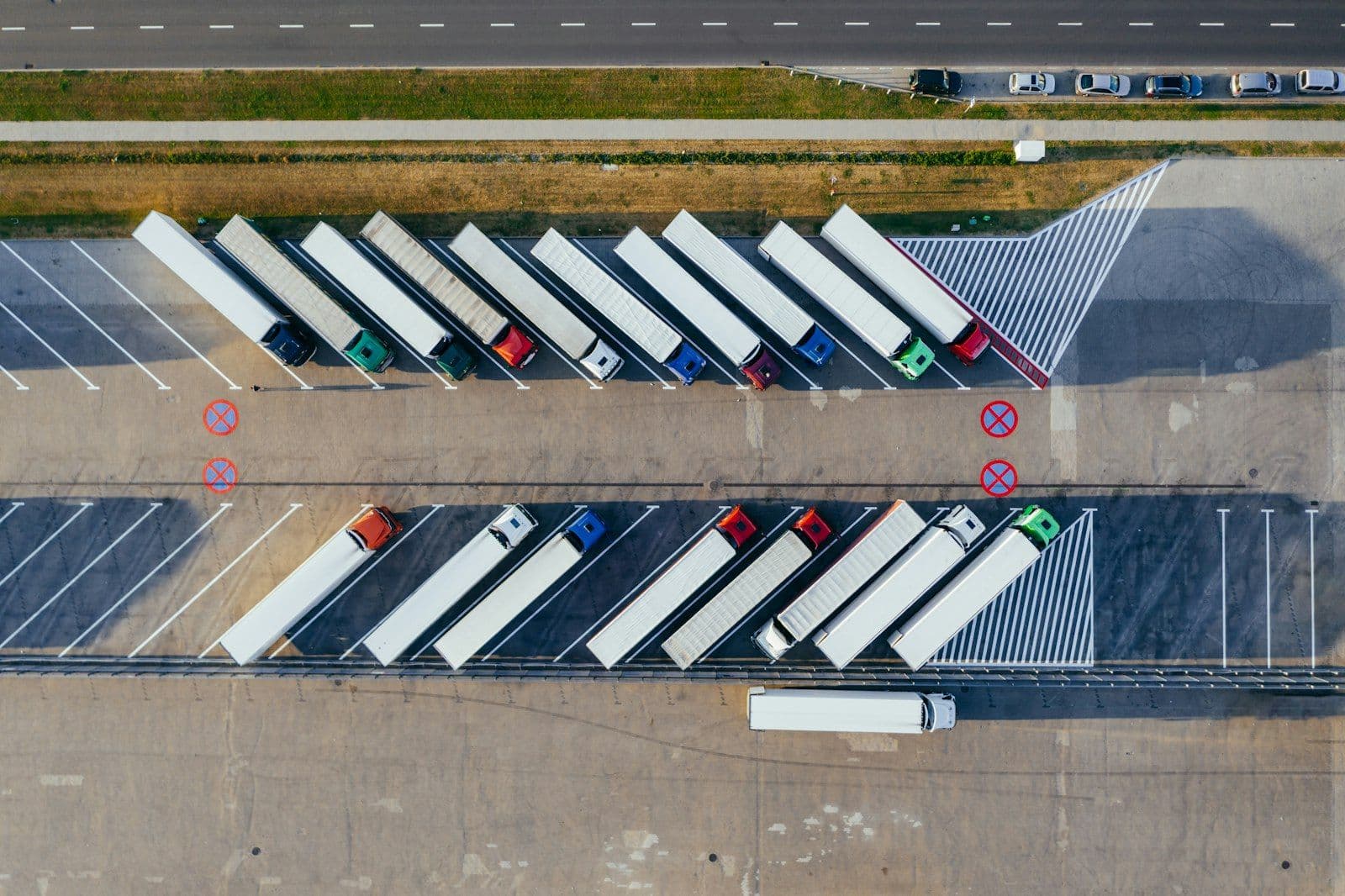
When Metallica's M72 World Tour rolled across Europe, the trucks behind the stage were quietly running a different kind of experiment. Instead of a standard diesel fleet, the band's logistics partner IVECO supplied a multi-energy lineup: trucks running on renewable natural gas, biodiesel, hydrogenated vegetable oil, renewable diesel, plus battery-electric S-eWay rigs and a hydrogen fuel-cell tractor for the final dates in Spain. According to FreightWaves, the fleet covered roughly 7,200 miles of European routing.
That makes a stadium tour one of the better real-world stress tests for green freight. And it surfaces a detail that does not show up in the press releases: going green changes the load plan. If you move production gear for a living, the fuel decision is not just an emissions line item. It quietly eats into what you can legally put in the box.
Cleaner fuel, heavier truck
The cleanest options on Metallica's roster split into two camps, and they behave very differently for a loadmaster.
Drop-in fuels are the easy win. Renewable diesel and hydrogenated vegetable oil burn in an existing diesel engine with no hardware change, and Shell rates its renewable diesel at up to 90 percent lower lifecycle CO2 emissions versus standard B7 diesel. Same tractor, same weight, same payload. Nothing about your pack changes.
The electric and gas options are where the math shifts. Compressed gas tanks and battery packs are heavy. A diesel day-cab tractor lands around 18,000 to 20,000 pounds empty. The new Tesla Semi Long Range carries a 23,000-pound curb weight because of its 822-kWh pack, with the same 82,000-pound gross combination weight as a diesel rig. That extra tractor weight comes straight out of cargo. Tesla quotes about 59,000 pounds of payload on the Long Range and 62,000 on the Standard Range, versus the roughly 65,000 a diesel tractor can haul under the same gross limit.
Regulators know this. Federal law lets natural gas and electric trucks exceed the normal gross weight cap by up to 2,000 pounds, to a hard ceiling of 82,000 pounds, specifically to offset the weight of the fuel system. That helps, but it does not fully close the gap, and it only applies on roads governed by the federal limit.
Why a tour feels this more than a typical carrier
A general-freight carrier hauling dense pallets usually "weighs out," hitting the 80,000-pound limit long before the trailer is physically full. For that operator, losing a few thousand pounds of payload to a battery is a real cost.
Touring is the opposite. Production gear "cubes out." A 53-footer packed with line array, dimmer racks, rolling cases, and staging fills the floor and the air space long before it gets anywhere near max gross weight. That is the quiet advantage for live events: if you are already cube-limited, the payload penalty of an electric or gas tractor often costs you nothing, because you were never going to use those pounds anyway.
The catch moves to refueling and range. Metallica's gas and biofuel trucks could run around 1,000 miles between fills, which is why the bulk of the fleet ran renewable gas and drop-in fuels rather than battery-electric. FreightWaves notes that battery and hydrogen trucks are still held back by thin charging and fueling infrastructure for long hauls, and that an EV switch can raise annual costs by up to 114 percent for a heavy-duty tractor by Ryder's analysis. On a tour with a fixed routing and tight overnight jumps between cities, a tractor that needs a long mid-route charge or a rare hydrogen station is a routing problem, not just a fuel choice.
What this means for your load plan
The takeaway is not "go electric" or "do not." It is that the fuel choice is now a planning input, not an afterthought.
- If you run drop-in renewable diesel or HVO, nothing about your pack changes. It is the lowest-friction way to cut tour emissions today.
- If you put a battery-electric or gas tractor on a leg, confirm your real cargo weight against that truck's specific payload before you commit. Cube-limited tours usually have room to spare; weight-limited runs need to check the number.
- Build the route around the truck, not the other way around. Range and fueling, not payload, is where alt-fuel rigs bite a tour.
This is exactly the kind of question a load plan should answer before the trucks show up. Knowing your packed weight and how it sits inside each trailer, per leg, is what tells you whether a greener tractor is a free swap or a real tradeoff. Truck Packer is built to give you that number before the gear hits the dock, so the call is based on your actual pack and not a guess.
Metallica proved the rigs work at stadium scale. The next move is making the load plan smart enough to use them.
Put it to work: log in to Truck Packer and build your load plan.

