When the Truck Has to Be Loaded Twice Before Sunrise: Festival-Season Logistics in 2026
Festival season in 2026 means overnight truck turnarounds, multi-vendor gear, short crews, and higher costs. Here's how smarter, shareable load planning keeps the circuit moving.

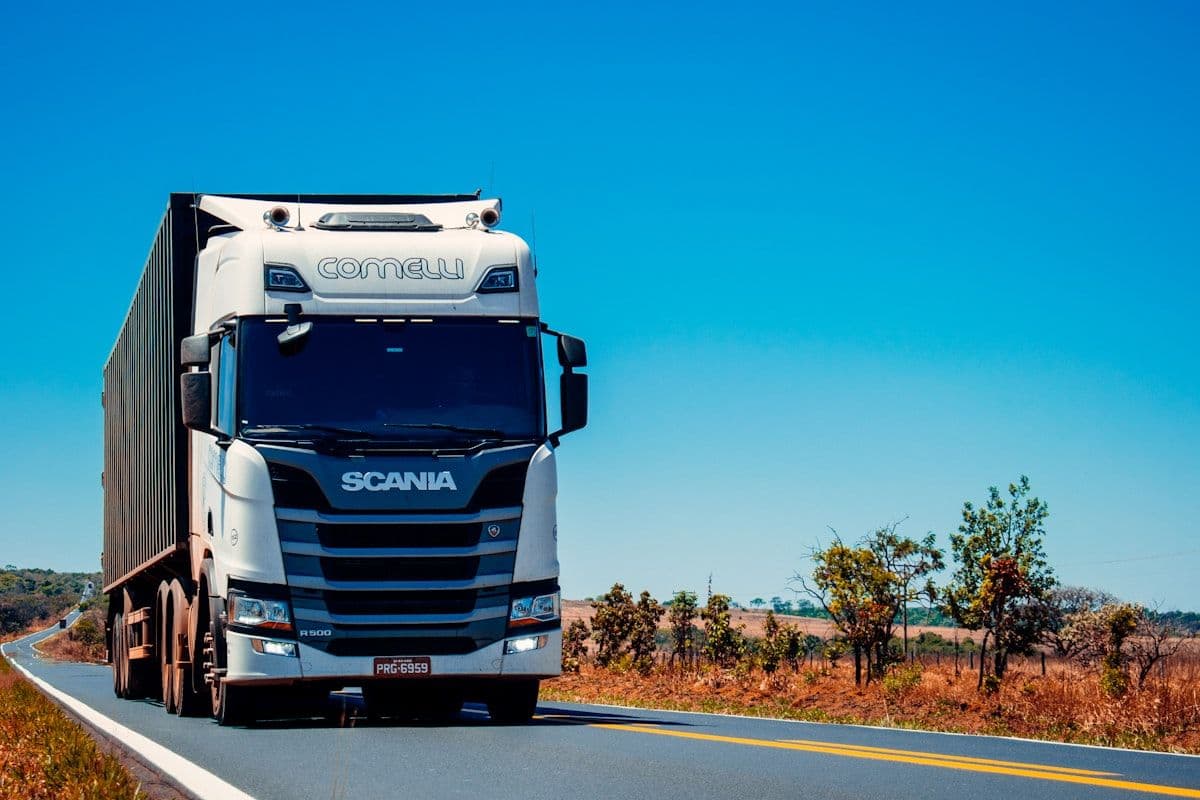
There is a specific kind of tired that only festival season produces. It is the tired of a crew chief who watched a headliner's gear come off the truck at 11 p.m., turned that same trailer around at a different vendor's loading dock by 4 a.m., and is now standing in a muddy field three hundred miles away wondering whether the sub-rented line array actually made it onto the right truck. Multiply that by a summer of back-to-back weekends, and you have the operational reality of touring production in 2026.
The festival circuit has always been a logistics problem wearing a music-industry costume. But this year the seams are showing more than usual. Costs are up, crew is thin, and the calendar is unforgiving. The good news is that most of the pain is concentrated in a few predictable places, and almost all of it traces back to how gear moves between the warehouse, the venue, and the next venue.
Festival season is really a truck-turnaround season
If you work front of house or run a lighting rig, the show is the show. But if you run logistics, the show is the easy part. The hard part is everything that happens in the eight hours after the last note and before the next doors. European promoters have turned this into an art form out of necessity: in tightly packed regional circuits, one festival's closing night feeds directly into the next, with trucks moving infrastructure overnight so the same stage roof, line array, or video wall can be rebuilt on a new site by morning. Ticket Fairy's coverage of the high-season crunch describes exactly this hand-off, where shared gear is in motion the moment a show wraps.
That model only works if the truck pack is right the first time. A trailer that gets loaded by feel — heavy cases wherever they fit, fragile road cases stacked under dimmer racks — is a trailer that gets unloaded twice: once at the dock, and once again in your memory at 3 a.m. when you realize the pre-rig truss is buried behind the merch pallets it has to come off before. On a single load-out that is an annoyance. Across a festival run with overnight turnarounds, it is the difference between making the next load-in call and blowing it.
The 2026 squeeze: fewer hands, higher costs, tighter margins
Two structural pressures are making this harder than it was even a couple of years ago.
Crew is still short
The skilled-labor shortage that the live events industry has talked about since the pandemic has not resolved — it has settled in. Experienced lighting and audio techs, riggers, and production managers left during the shutdowns and never fully came back, and the people who remain are spread across more shows than is healthy. When you have fewer experienced hands on a load-out, you cannot afford to also have a bad plan. Every minute a crew spends restacking a truck is a minute stolen from a workforce that is already stretched.
Costs are not coming back down
The financial picture is just as blunt. UK Music has reported that operating costs for the live sector run roughly 40 percent higher than pre-pandemic levels, and festival producers heading into 2026 are being told to budget for 20 to 30 percent higher spend on essentials like fuel, infrastructure, and staffing, plus contingency on top of that. Fuel and trucking are a big slice of that number. Every half-empty trailer you send down the interstate is real money — and on a festival run you might be sending several.
Put those two pressures together and you get the core economic argument of modern touring logistics: the cheapest truck is the one you did not have to book, and the fastest load-out is the one nobody had to redo.
Why multi-vendor festivals make packing genuinely hard
A clean A-to-B tour is one warehouse, one rig, one repeating pack. A festival is the opposite. On a single large-stage build you might have a Clair or Solotech audio package, a lighting vendor like PRG or 4Wall, video from a third house, staging and roof from a fourth, and a fistful of sub-rentals patched in to cover the gaps. None of those vendors loaded their gear with your other vendors' cases in mind, because they could not. They each packed their own trucks, to their own warehouse logic, weeks ago.
When all of that converges on one site and then has to leave on a compressed schedule, the truck pack becomes a negotiation between strangers' road cases. Whose anvil cases nest? What has to come off first at the next stop? Which sub-rental has to be back at its home shop by Monday, and therefore cannot ride to the third festival? These are not glamorous questions, but they are the ones that decide whether your crew is drinking coffee or cursing at a forklift come sunrise.
Plan the pack before the gear is in the yard
The teams that survive festival season without melting down share one habit: they decide how the truck gets loaded before the truck shows up, and they make sure everyone touching it sees the same plan. That used to mean a whiteboard sketch, a veteran loader's memory, and a lot of faith. It does not have to anymore.
This is the gap a 3D load planning tool is built to close. Instead of a flat manifest or a pull sheet that lists what is going but not where it goes, you build the actual pack in a visual model of the trailer — cases placed by dimension and weight, heavy gear on the deck, fragile road cases protected, the things that come off first sitting nearest the door. You can see the trailer fill up before a single case rolls, catch the moment you have run out of floor, and prove to yourself that everything fits before you are committed.
The part that matters most for festivals, though, is not the pretty 3D view — it is that the plan is shareable. When you can send a crew chief a link to the exact pack, the loader at the next site, the driver, and the production manager are all looking at the same thing. Nobody is reverse-engineering a senior tech's intentions from a stack of cases at 3 a.m. The plan travels with the gear.
That is the workflow we built Truck Packer around. You lay out your cases and containers, drag them into a load plan that respects real dimensions and weight, and share that pack with the people who have to execute it — on a laptop in the production office or on a phone at the dock. For a festival run with overnight turnarounds and a rotating cast of vendors, having one source of truth for how each trailer is packed is less of a luxury and more of a survival tool.
A few habits that pay off all summer
Whatever tool you use, the principles hold. A handful of practices separate the crews that coast through August from the ones that limp:
- Pack to the next load-out, not just this one. The first cases off at the next stop should be the last cases on now. If you are touring a festival circuit, build the pack around the rebuild, not the teardown.
- Lock dimensions and weights early. Most truck-pack disasters are really data disasters — a case that is bigger or heavier than anyone wrote down. Measure once, store it, reuse it. This is exactly where device-based scanning is headed, and why it is worth getting your case data clean now.
- Make the plan visible to everyone who touches the truck. The driver, the loader, the crew chief, and the PM should all be able to pull up the same pack. Tribal knowledge does not survive a 4 a.m. turnaround.
- Treat sub-rentals as first-class citizens in the plan. The gear most likely to get loaded onto the wrong truck is the gear that does not live in your warehouse. Flag return deadlines in the plan so a sub-rental does not accidentally ride to the third show.
The festival doesn't care how tired you are
None of this makes festival season easy. The calendar is still brutal, the crew is still short, and the diesel still costs what it costs. But the part of the job that used to depend on one exhausted person's memory and a prayer does not have to anymore. When the pack is planned, visible, and shared before the gear hits the yard, the overnight turnaround stops being a coin flip and becomes a checklist.
And on a summer where every truck and every crew hour is more expensive than it has ever been, turning the truck pack from an art into a plan might be the highest-leverage thing a production team does all season. The show will go on regardless. The question is only how much of your crew's sleep it costs to get there.
Put it to work: log in to Truck Packer and build your load plan.

