How to Maximize Trailer Space
Master advanced pallet configuration techniques that maximize trailer space utilization and reduce damage during mid-week shipping.

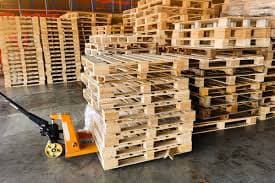
Advanced Pallet Configuration: How to Maximize Trailer Space and Minimize Damage
Efficient pallet configuration is the difference between a profitable load and a costly one. Getting it right means fewer damage claims, better space utilization, and faster unloading at every stop. Getting it wrong means wasted capacity, compliance headaches, and unhappy customers.
This guide breaks down the strategies that experienced loaders use to optimize every inch of trailer space while keeping freight safe and DOT-compliant.
What Goes Into Strategic Pallet Configuration
Every pallet arrangement involves balancing four competing priorities: weight distribution for legal compliance and safety, product compatibility to prevent damage and contamination, delivery sequence for efficient unloading, and space utilization to maximize revenue per load.
The best configurations don't optimize for just one of these — they find the sweet spot where all four work together.
Weight Distribution: Staying Legal and Staying Safe
Front-to-Back Balance
Keeping your center of gravity within DOT limits starts with how you distribute weight from the nose to the tail of the trailer. Heavier pallets should be positioned to maintain an even spread, and you need to account for variables like fuel weight decreasing over long hauls and dynamic shifts that happen during loading and unloading sequences.
Side-to-Side Stability
Lateral balance is just as critical. Uneven side-to-side weight creates dangerous roll tendencies during turns and lane changes. Road banking, crosswinds, and parking maneuvers all amplify the problem. A load that feels stable in a straight line can become a liability the moment conditions change.
Pallet Loading Patterns That Maximize Stability
Interlocked Loading
Crosshatch and interlocking pallet patterns are the gold standard for load stability. By alternating pallet orientation layer by layer, you eliminate the gaps and shifting that come with uniform stacking. This approach works especially well for mixed product loads where you need to balance stability with accessibility for multi-stop routes.
Mixed-Height Optimization
Wasted vertical space is wasted money. Strategically combining pallets of different heights lets you fill the cube without compromising stability. The key is calculating which height combinations get you closest to the trailer ceiling while keeping the load structurally sound. You also need to factor in what equipment your customers have for unloading — a perfectly optimized load doesn't help if the receiver can't get it off the truck.
Handling Fragile and Temperature-Sensitive Freight
Fragile Items
Position fragile products away from high-vibration zones near the axles and trailer walls. Proper cushioning, careful load sequencing to minimize handling, and clear documentation of special requirements all reduce the chance of a damage claim showing up days later.
Temperature-Sensitive Products
Group temperature-compatible products together and plan for thermal exposure during transit. Seasonal temperature swings can catch you off guard if you're loading the same way in July as you do in January. If you're working with reefer trailers, coordinate your pallet arrangement with the unit's airflow pattern for even cooling.
How TruckPacker Simplifies Pallet Configuration
TruckPacker's 3D load planning tools take the guesswork out of these decisions. The app handles multi-constraint optimization, real-time weight distribution calculations, damage risk assessment, and regulatory compliance checks — so you can build better loads in less time.
The Bottom Line
Companies that invest in advanced pallet configuration consistently see 18–25% better space utilization, up to 40% fewer damage claims, and 15% faster loading and unloading times. The math is simple: better loads mean lower costs and happier customers on every run.
Everything above lives in the app. Log in to Truck Packer and start packing.

