Your Pull Sheet Already Knows How to Pack the Truck
Your rental software already holds every dimension a load plan needs. How connecting Flex or Rentman to 3D load planning closes the last manual gap between pull sheet and truck pack.

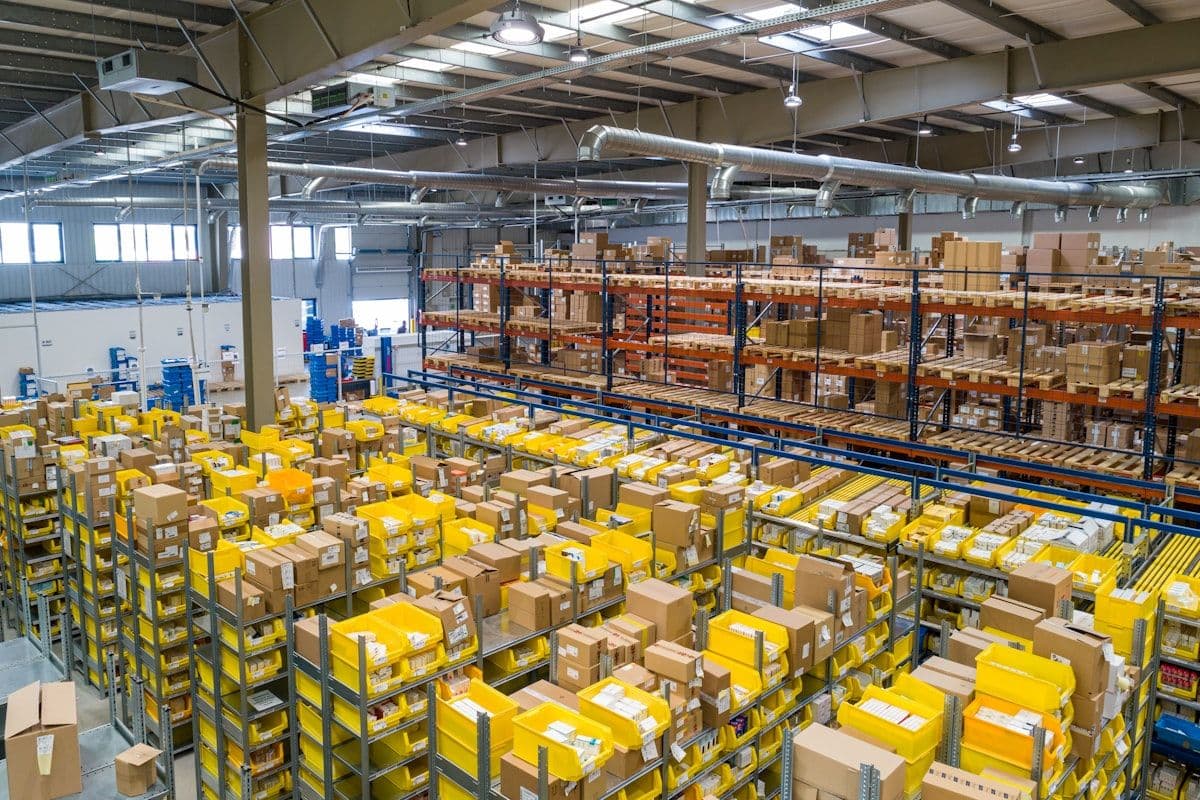
Walk into almost any production warehouse on a load-out day and you'll see the same scene: a pull sheet printed from Flex or Rentman taped to a road case, and next to it, somebody sketching a truck pack on a whiteboard from memory. The software upstairs knows every case on that sheet down to the inch and the pound. The plan for how those cases get into the trailer lives in someone's head.
That gap is the last manual step in a workflow that has otherwise gone fully digital. Quotes are digital. Inventory is barcoded and scanned out the door. Crew calls live in scheduling software. But the physical act of arranging gear in a truck, the decision that determines whether you book one tractor-trailer or two, still mostly happens on legal pads and tribal knowledge.
This post is about closing that gap: why the data a load plan needs already exists in your rental software, what a pull-sheet-to-load-plan pipeline actually looks like, and how to start connecting the two without hiring a developer.
The most duplicated data in live events
If your shop runs Flex Rental Solutions or Rentman, you already maintain one of the most meticulous physical databases in any industry. Every amp rack, every cable trunk, every pre-rig truss stick has a record with dimensions, weight, and quantity on hand. When a quote confirms, that system generates a pull sheet, which is an exact manifest of every piece of gear leaving the building for that show.
And then, somewhere between the warehouse floor and the dock, all of that structured data gets thrown away. The person planning the truck re-derives it by hand. They walk the rows with a tape measure, or they guess based on what fit last tour, or they pull up a photo from the last time this rig went out and hope nothing on the pull sheet changed. The dimensions were sitting in a database the whole time.
Re-entering data that already exists is the most expensive kind of work there is, because you pay for it twice and you introduce errors both times. A transposed measurement on a case build, a sub-rental that never made it onto the sketch, a swap from one console to another that adds eight inches of depth nobody accounted for. Each one of those surfaces at the worst possible moment: at the dock, at 1 a.m., with the truck half packed.
Why this matters more in 2026
Two things are happening at once. First, the event logistics business is simply getting bigger. The global event logistics market was valued at around $75 billion in 2025 and is projected to reach roughly $104 billion by 2031, according to figures reported by STAT Times. More shows, more festivals, more corporate activations, and every one of them moving staging, rigging, audio, video, and power in trucks that someone has to plan.
Second, the rental software ecosystem has quietly become integration-friendly. Across platforms, connecting your WMS to external tools has shifted from a nice-to-have to a strategic priority, with modern REST APIs handling structured data access and webhooks firing on events like a quote confirming or a pull sheet finalizing. Bolder Technologies' integration guide for the Rentman API describes exactly this pattern: hybrid architectures where the rental platform stays the source of truth and downstream tools subscribe to changes. Flex has long offered API access for the same reason. The pipes exist. Most shops just haven't connected them to the truck yet.
Layer summer festival season on top of that and the cost of the manual gap compounds. Festival and corporate work means cross-rentals between vendors, gear arriving from three warehouses, and load plans that have to account for cases your own WMS has never seen. The shops that handle this well are the ones treating dimension data as something you exchange, not something you re-measure on the dock.
What a connected pipeline looks like
A quote-to-load-plan pipeline is less exotic than it sounds. In practice it's five steps:
- A quote confirms in your WMS. The equipment list now exists as structured data: line items, quantities, and the physical specs of every case attached to them.
- Your case library syncs to your load planner. Each unique road case in your inventory becomes a case type with dimensions and weight. This is a one-time import with incremental updates after, not an ongoing chore.
- The pull sheet imports as a pack. Quantities map to cases, and suddenly the load planner knows exactly what has to fit on this truck for this show.
- You build the pack in 3D. Arrange cases by zone so the truck unloads in the order the venue needs it: rigging and motors off first, audio toward the nose if the PA flies early, backline last on so it's first off at the dock.
- You share a link with the crew. The A2, the lighting crew chief, and the local hands in the next city all see the same pack, not a photo of a whiteboard that was accurate two cities ago.
This is the workflow we built the Truck Packer API around: cases, containers, and packs as first-class objects you can create programmatically, so a confirmed pull sheet in your rental software can become a working 3D load plan without anyone retyping a single dimension.
The dock is where plans meet reality
A fair objection from anyone who has actually packed trucks: load planning is not a spatial puzzle, it's a sequencing problem. The mathematically densest pack is useless if the dimmer beach is buried behind the video wall when lighting needs power distro on the floor first. Last-on-first-off is the rule that overrides everything.
That's precisely why the plan should live in software instead of in one person's head. When the pack is a shared, editable model, the production manager can encode that sequencing knowledge once, in the zones and the load order, and it survives a crew swap, a B-rig split, or the night the regular truck loader is out sick. The tool doesn't replace the person who knows the show. It makes their knowledge transferable.
This isn't just a touring problem
Every industry that puts boxes in trucks has a version of the pull sheet. A moving company's in-home survey is a pull sheet by another name: an inventory of items with dimensions that someone will later use to pick a truck size. Trade show freight, broadcast OB kits, military equipment moves, museum exhibit transport, they all generate structured manifests upstream and then plan trucks by intuition downstream. The integration pattern is identical: inventory system in, 3D load plan out, shareable link to whoever does the loading.
How to start this week
You don't need a developer to begin. Export your inventory from Flex or Rentman with dimensions and weights, and start with your top 50 cases, which is the gear that's on nearly every truck you send out. Build the case library once. Then take your next confirmed show, import the pull sheet quantities, and pack the truck in software before anyone touches a case. Compare the plan to what actually got loaded. The first pass will teach you where your dimension data is wrong, which is worth knowing anyway, and the second show will pack faster than the whiteboard ever did.
If you do have API access on your rental platform, the next step is automation: a webhook on quote confirmation that creates the pack automatically, so the load plan exists the moment the show is real. That's the quote-to-load-plan pipeline, and the distance between here and there is shorter than most shops think.
The pull sheet already knows what's going on the truck. Give it a chance to say where.
Put it to work: log in to Truck Packer and build your load plan.

