Truck Pack Weight Distribution Basics (So You Don’t Hate Your Drive)
A simple guide to touring truck pack weight distribution: what to load first, where heavy cases go, and how to avoid a sketchy ride.

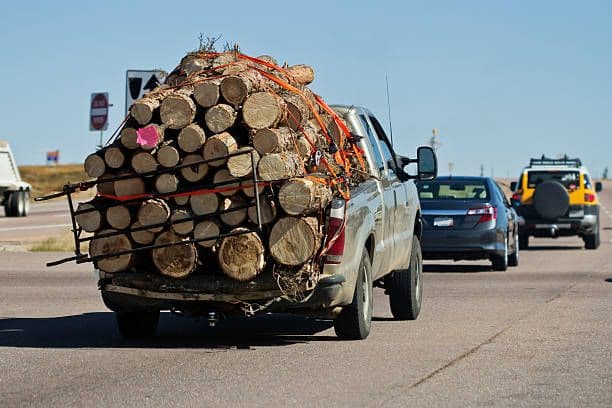
How to Pack a Tour Truck So It Doesn't Try to Kill You
A "clean pack" isn't just pretty it's safer, faster, and less likely to turn your driver into your enemy. This is a practical, non-engineer guide to weight distribution for touring trucks.
If you've ever white-knuckled through a lane change because the load shifted behind you, or watched a case avalanche out the back door at 6 AM, you already know: how you pack matters as much as what you pack.
What You're Actually Trying to Do
Every truck pack comes down to three things:
Stability. Less sway on the highway, fewer surprises in crosswinds.
Security. Nothing shifts, nothing falls, nothing breaks.
Efficiency. The gear you need first comes out first. No archaeology required.
Heavy Goes Low. Always.
This is the one rule that overrides everything else. Your heaviest cases belong on the floor.
A heavy case up high becomes a pendulum. It raises the center of gravity, amplifies every turn, and makes the truck feel drunk on the highway. Distro racks, power cases, amp racks — floor level, every time.
Forward Isn't Always Better
There's a common beginner instinct: "shove all the heavy stuff toward the cab." The logic sounds right, but the result is a truck that nose-dives under braking and rides like a seesaw.
What you actually want is weight distributed so the truck rides level. That means heavy items low, balanced across the length of the bed, with critical gear placed where it's accessible for the day's plan — not buried behind a wall of road cases you won't need until tomorrow.
A Simple Load Order That Works
You don't need a physics degree. You need a repeatable system.
Bulkhead area (front of the truck): Heavy, stable base cases. Power distro, amp racks, anything dense and rectangular. These form the foundation and don't move.
Middle section: Medium-weight cases, stacked in stable columns. Match footprints where you can — a stack of same-size cases is a wall, a stack of mixed sizes is a Jenga tower.
Door area (back of the truck): Load-in hardware like ramps, dollies, and straps, plus whatever cases come off first at the venue. Think about your load-in order and pack in reverse.
Stop Building Jenga Towers
The fastest way to wreck a pack is stacking mismatched cases into tall, wobbly columns. Instead:
- Build walls, not towers. Group cases with similar footprints together. A row of matching cases locks itself in place.
- Use moving blankets and corner pads. Cases sliding against each other chew up lids, latches, and paint. A blanket between stacks costs nothing and prevents hundreds in damage.
- Fill the gaps. Dead space lets things shift. Soft goods, blankets, or foam wedges keep everything snug.
Strapping Is Not Optional
Strapping is where most packs fail. Not because people skip it entirely, but because they do it once at the end and call it done.
Strap in layers. Get your base layer loaded, strap it down, then build the next layer. Trying to strap an entire pack after it's fully loaded is a losing game.
Use consistent strap points. If only one person on your crew knows the strapping pattern, you have a single point of failure. Mark your strap points. Make it replicable.
If it can roll or slide, it gets strapped. No exceptions. That drum hardware case that "fits snug" today will be across the truck tomorrow.
FAQ
How do I distribute weight in a box truck?
Keep your heaviest cases on the floor, build stable stacks from matching footprints, and strap in layers as you go. Avoid concentrating all your heavy gear at one end — you want the truck to ride level, not nose-heavy or tail-heavy.
What causes a truck to sway on tour?
Three things: top-heavy packing, uneven side-to-side weight distribution, and unstrapped loads that shift mid-drive. Fix those three and the truck will handle like a truck instead of a boat.
What's the biggest truck packing mistake?
Putting heavy items up high. It's the single most dangerous thing you can do to a pack. After that, leaving gaps that allow shifting — because a gap at load-out becomes a case missile at 65 mph.
Make the Pack Stick
The best truck pack in the world doesn't matter if it only lives in one person's head. Truck Packer helps you document exactly where everything goes so the pack stays consistent — even when the crew rotates, the truck changes, or it's 5 AM and nobody's had coffee yet.
Stop reading, start packing: log in to Truck Packer and lay out your trailer.

