Your Carnet Is Still Paper: US Tours in Digital-Only Europe
Two months after the EU, UK, Norway and Switzerland went digital-only, US carnets are still paper and USCIB has quietly dropped its second-half-2026 target date. What that means for a fall European leg, and why your General List and your load plan should come from one inventory.

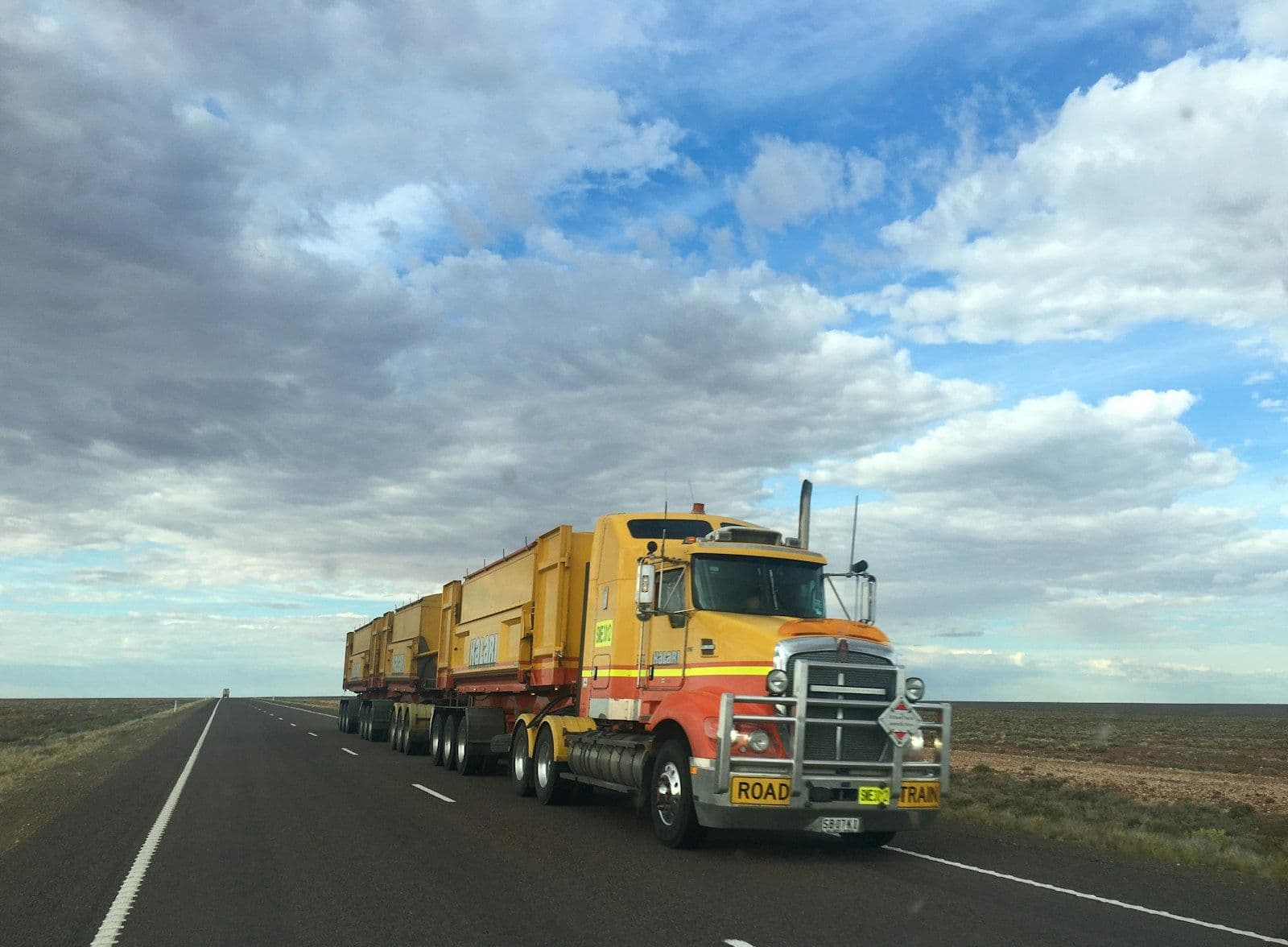
Two months into Europe's digital carnet era, the practical question for an American touring production is narrower than the launch coverage suggested. Your carnet is still a paper booklet. It is going to stay that way for a while, nobody will tell you exactly how long, and the border you hand it to has already moved on.
What changed on June 1, and what did not
On June 1, 2026, thirty countries and customs territories switched to the digital ATA Carnet: all twenty-seven EU member states plus Norway, Switzerland, and the United Kingdom. In those countries the carnet is now issued electronically, the holder carries it in the ICC's mobile app, and the officer at the crossing scans a QR code against a customs portal instead of stamping a voucher page. The ICC's rollout plan has additional administrations joining through the end of 2027, with the whole eighty-seven-country network expected to be fully digital by January 1, 2028.
None of that changed the underlying document. The General List still enumerates every item with a trade description, quantity, country of origin, net weight in kilograms, and value. You still post the bond through the issuing body. What went digital is the rail the list rides on.
The US missed the wave, and the date went away
This is the part worth tracking. Back in February, USCIB said the US planned to join the next wave of eATA countries "in the second half of 2026, subject to final readiness and coordination with US Customs and Border Protection." That was a soft date, but it was a date, and plenty of crews planned their fall against it.
The current guidance no longer carries one. USCIB's update on the global transition states plainly that digital carnets are unavailable in the United States while USCIB and its service providers, Boomerang Carnets and Roanoke Insurance Group, complete the final technical requirements, and that it will provide additional updates "as the US launch date for eATA is confirmed." The launch announcement in June said only that USCIB is working with CBP so the US will be ready "in the months ahead." Read those together and the honest planning assumption for a fall European leg is paper.
What that looks like at the gate
The ICC and the national customs services saw this coming. Customs authorities in the digital countries agreed to exercise flexibility for travelers from non-digital countries who cannot obtain a digital carnet, and paper carnets issued before June 1 stay valid until their stated expiry. USCIB's instruction to US holders is direct: keep traveling with the paper carnet, and if an officer questions why there is no digital one, explain that digital carnets are not yet available in the United States.
The less comfortable part is what "flexibility" means in practice at 5am at a crossing where the officer has spent two months getting fluent in the portal workflow. You are now the exception case rather than the default, and exception cases take longer. That cost lands on the crossing you scheduled the tightest, and it compounds on a mixed itinerary where a chamber issues both paper and digital for different legs of the same route.
One inventory, two jobs
A paper carnet in a digital lane is a legibility problem, and legibility is a data problem you were already supposed to have solved. The officer reading your General List on a printed sheet is comparing it to what they see in a crate. If a trade description is missing a model number because somebody retyped it at midnight from four vendor pull sheets, that ambiguity becomes the whole conversation.
The same rows that make a carnet defensible are the rows that make a truck packable. Description, quantity, origin, and net weight per case is exactly the case-level inventory a load plan runs on, which means the weights you declare to customs and the weights that decide your axle distribution should be coming out of one source, not two. Most productions maintain them separately, discover the discrepancy at a scale house or a border, and fix it under pressure. Building the list once, at case level, and letting both the carnet filing and the pack plan draw from it removes an entire category of fall-tour surprise.
Before your next European leg
- Assume paper for anything crossing this year, and confirm the issuance path in writing with your broker rather than against the February timeline.
- Brief whoever presents at the border on the explanation, so it is a sentence and not a shrug.
- Add schedule margin at every crossing, weighted toward the smaller ones.
- Get the General List to case level once, with real weights, and use it for the pack too.
- Watch USCIB for the US launch confirmation, because the day it lands, your workflow changes mid-tour.
The transition runs through 2027 either way. The tours that come out of it clean are the ones whose gear list was already accurate enough to survive being read by a stranger.
Ready to build your load plan? Log in to Truck Packer and pack it.

