What Multi-Truck Packing Actually Has To Solve
Fall routing is where a rig stops fitting in one trailer. The hard part of a two or three truck pack is not volume, it is that unload order, department integrity, and per-truck weight are constraints that span trucks. What we think the feature has to solve.

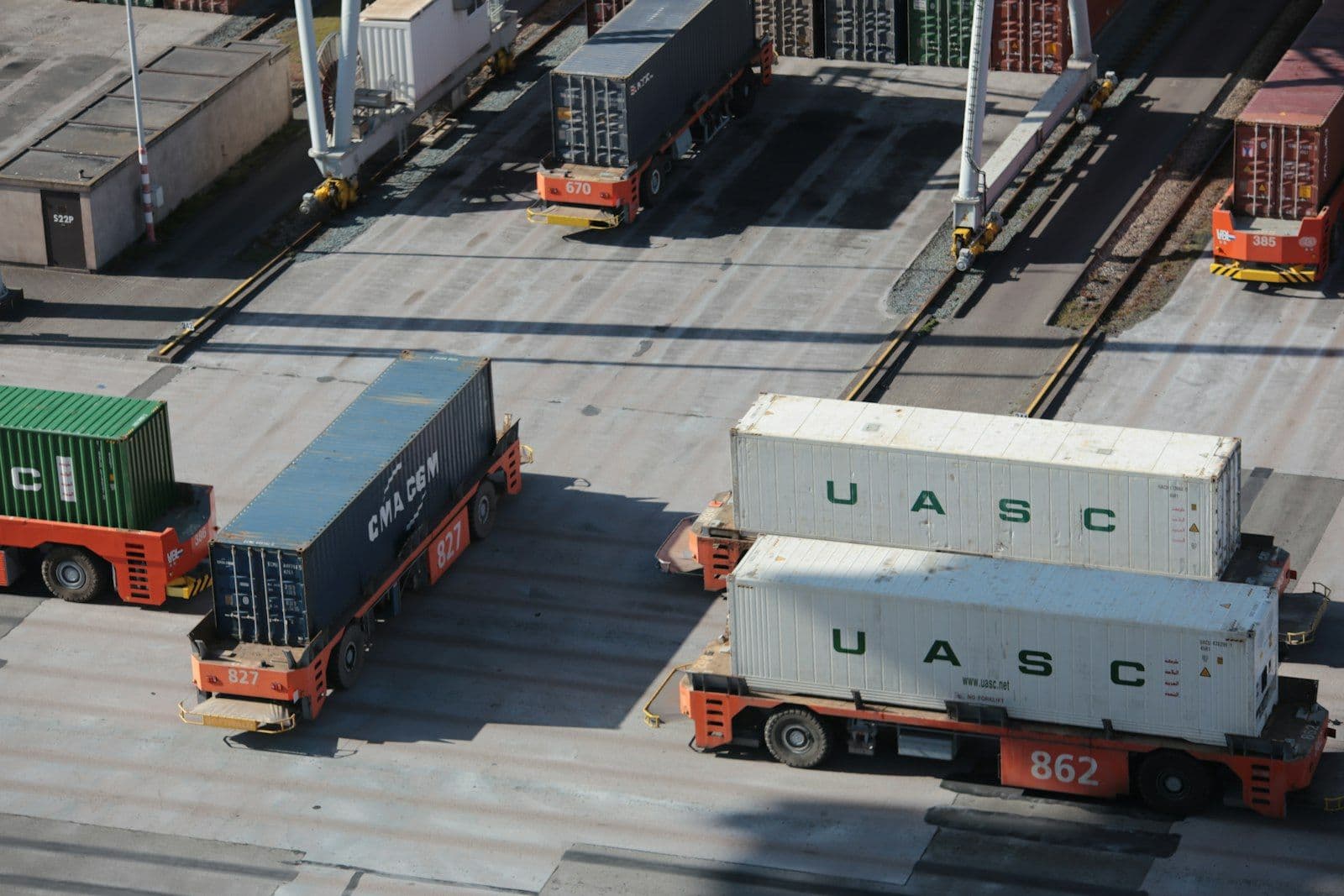
Fall routing is where a lot of productions find out the rig no longer fits in one trailer. The volume is there to cause it: the top 100 worldwide tours grossed a record $3.16 billion in the first half of 2026, up 12.3 percent on 26.3 million tickets, while average gross per show slid from $1.71 million to $1.63 million, per GearSource's read on Pollstar's numbers. More shows at a lower yield each means more load-ins and more truck moves against essentially last year's rate card. On a stadium production, a 3 to 5 percent bump in production cost against a flat ticket price is enough to flip a marginal show into a break-even one.
So the second truck is not a rounding error. It is a line item you carry for the whole leg. Multi-truck packing sits on our Business tier as a coming-soon feature, and we have spent enough time on the design now to say out loud what we think it has to solve, because it is not the thing most people assume.
Two trucks is not twice the space
The obvious version of this feature is a packer that fills trailer one, then spills the remainder into trailer two. That gives you a truck count. It does not give you a load plan, because nearly everything that makes a pack useful on the ground is a constraint that spans trucks instead of living inside one.
The unload order stops being a stack and becomes a schedule
In a single trailer, load order is a stacking problem. Cases go in so they come out in the order the room needs them: rigging comes off first, then lighting, audio, and backline, and the trailer gets built backward from that. Full Tilt Logistics puts it plainly: cases are sequenced based on the order they will be unloaded at the next venue, and when that is not organized properly, load-ins take longer and labor costs go up with them.
Across three trailers, the same rule stops being about stacking and starts being about which truck backs into the dock first. The truck carrying rigging has to arrive first and empty first, which means truck assignment is the load-in schedule written in different notation. A packer that treats each trailer as an independent box will cheerfully put the motors in truck three and the risers in truck one, look excellent in cubic feet, and cost you an hour on the floor.
Departments do not split cleanly
The cheapest pack by pure volume almost always cuts a department in half. Half of audio in truck one, the rest in truck two, and now that crew is working two docks and tracking two piles for the whole leg. Keeping a department intact costs cube, and occasionally it costs a whole extra truck.
That is a judgment call, not an optimization. The tool's job is to price both options and show them, not to quietly pick the one that wins on volume.
Every truck has to be legal on its own
A 53-foot dry van runs roughly 3,800 to 4,000 cubic feet with a payload around 44,000 to 45,000 pounds. Touring gear usually cubes out before it weighs out, which is why crews think in floor space first, but a fleet does not average. Truck two cannot borrow headroom from truck one. Each trailer has to clear its own gross and its own axle numbers, so evening out cube across three trucks can quietly push one of them into a weight problem it never had when the whole rig was in a single pile.
The objective changes from leg to leg
Sometimes the goal is the fewest trucks, because the trucks are the cost. Sometimes it is the fastest load-out, because you have a long jump and the bus is leaving. Sometimes one truck has to be sealed and gone at the top of the show while the rest of the pack rolls out at 1am. Those produce genuinely different plans from the same inventory, and a tool that only knows how to minimize truck count answers one of the three.
What we are building toward
The version we want to ship treats the fleet as one plan rather than a series of boxes. Truck assignment tied to unload order, so the sequence survives the split. Department integrity shown as a visible tradeoff with a number attached, not an assumption baked into the solver. Weight and axle checked per truck rather than in aggregate. And a fast way to ask the question crews actually ask in August, which is whether this leg goes out on three trucks instead of four, and what that costs on the floor if it does.
If you are speccing fall freight right now and you have opinions about which of those matters most, we want to hear them before this ships rather than after.
Ready to build your load plan? Log in to Truck Packer and pack it.

